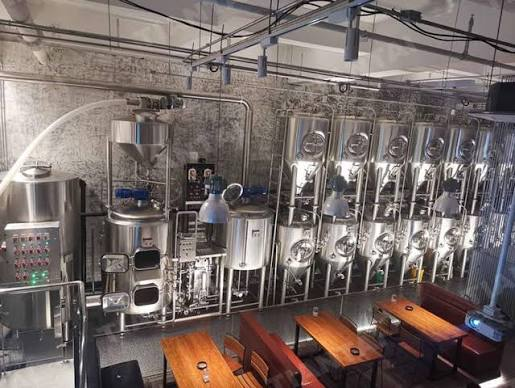
When Does a Brewery Need Backup Chilling Capacity
Backup chilling is justified when a cooling failure would spoil product, halt packaging, or leave multiple tanks without safe temperature control longer than the brewery can tolerate. The right backup may be a second chiller, a spare pump, a removable compressor module, or temporary cooling connections. Size the response to the likely failure and recovery time rather than buying a duplicate plant automatically.
When comparing brewery backup chiller, start with the process duty and the conditions that will expose a weakness. A catalogue capacity or single performance number cannot show how the unit will behave across normal production, cleaning, start-up, and a demanding recipe.
What the Equipment Must Accomplish
List every load served by the cooling system and rank it by consequence of losing temperature control. Active fermentation, crash cooling, bright beer storage, a cold room, and a packaged-product store do not have the same tolerance. Estimate the time until product or schedule risk becomes unacceptable for each load. A backup design is meaningful only if it can reach the priority loads through valves, pumps, and electrical service when the primary unit fails.
How to Diagnose the Current Problem
Review past outages for root cause and duration. If the chiller has stayed healthy but one distribution pump trips, pump redundancy may do more than a second compressor. If condenser fouling causes repeated high-temperature alarms, maintenance and airflow may be the first fix. Map single points of failure in power, controls, glycol inventory, strainers, pumps, and distribution headers. Include the availability of local service and replacement parts in the recovery estimate.
Which Design Details Matter
Compare N plus one compressor staging, two independent chillers, a rented temporary unit, and spare critical parts. Independence matters: two machines on the same failed pump or undersized electrical feeder are not two complete cooling paths. Specify changeover valves, check valves, quick connections, alarm routing, and which loads remain supported during maintenance. If only fermentation protection is essential, the backup may be smaller than the main system.
Utilities and Installation Requirements
Confirm that electrical service can start the backup at the time it is needed. If a temporary chiller is planned, provide the pad, connection sizes, isolation points, flow path, and safe access in advance. A standby machine needs periodic running so a hidden fault is discovered before an emergency. Glycol volume and concentration should suit both normal and alternate operating modes. Check how a failed control network affects changeover.
Cleaning and Safety Requirements
The cooling circuit needs fluid-quality monitoring, strainer maintenance, leak checks, and clear labels on bypasses. Idle branches can collect air or poor-quality fluid; include them in inspection. An emergency changeover procedure should identify who may open valves, how to avoid overpressure, and how to confirm flow before connecting tanks. If the backup is installed outdoors, protect service access and condensate drainage. These basic tasks make redundancy usable.
Common Specification Mistakes
The common mistake is buying a second compressor while leaving the same pump, panel, sensor, or supply header as a single failure point. Another is assuming the nameplate duty will hold at a hot summer ambient temperature. Compare backup output at the design glycol temperature and site conditions. Run a written loss-of-cooling scenario, including who receives the alarm outside business hours and how the brewery prioritizes tanks.
How to Verify Performance
During commissioning, disable the primary unit under a controlled test and verify alarm, automatic or manual changeover, minimum flow, and cooling of priority tanks. Repeat with a pump fault if that is a separate risk. Record the time from failure to restored control and the load sustained. An annual exercise can reveal a seized valve, failed battery, or outdated contact list before a real outage.
How to Compare Supplier Proposals
For brewery backup chiller, give every supplier the same product mix, batch size, duty cycle, utility conditions, control expectations, and acceptance criteria. Ask each one to mark exclusions as clearly as inclusions. Compare drawings, materials, instruments, access, controls, documentation, spares, installation support, and warranty boundaries rather than comparing vessel size or purchase price alone. A lower bid can become a higher installed cost when field piping, valves, software, commissioning, and training are omitted. Request a component list and a responsibility matrix before placing an order.
A request for quotation for brewery cooling system should state the operating cases that matter most. Ask which values are guaranteed at the site, which are estimates, and what the supplier expects the brewery to provide. Keep any change to the agreed design in a written revision so the acceptance test remains tied to the installed equipment.
The Purchase Specification in One Page
For this application, the one-page specification should state priority loads during a chiller failure, maximum allowable interruption, independent pumps and power, and documented changeover time. Include the beer or wort condition at the test point, the expected range rather than a single ideal value, and who will measure each result. Add the drawings and documents needed to confirm that the delivered machine matches the offer. Name the site utilities and the boundary between supplier and brewery work. Finally, define the out-of-range response, because a number in a quotation is useful only when both sides know what happens if the installed system misses it.
A Practical Commissioning Sequence
For brewery cooling system, check mechanical completion, instrument identification, electrical and utility connections, safe isolation, and cleaning readiness before processing beer. Run water or an appropriate test medium first where it can reveal leaks or control errors without sacrificing a batch. Then test the equipment with a representative production load. Record the settings, alarms, operator actions, measurements, and deviations. Train operators using the final configuration, not a draft drawing. Revisit the data after several runs, because an installation can pass a single demonstration and still fail under a full production schedule.
What to Keep in the Operating Record
Keep the approved drawing, equipment tags, settings, certificates where relevant, cleaning procedure, spare-parts list, and baseline performance trend for brewery backup chiller together. Record the conditions behind each meaningful failure, including recipe, volume, temperature, pressure, flow, and operator action. That record helps separate a mechanical defect from a changed process. Review it after any new tank, recipe, package format, or utility change. A durable specification is one the brewer, maintenance team, and supplier can all test against the same evidence.
Does a Second Chiller Guarantee Cooling Redundancy
No. Two chillers sharing one pump, electrical feeder, or blocked header can fail together. Map the complete path to priority tanks and test how it changes over after a fault. Sometimes a spare pump, prepared rental connection, or independent power arrangement provides more resilience than an additional compressor alone.