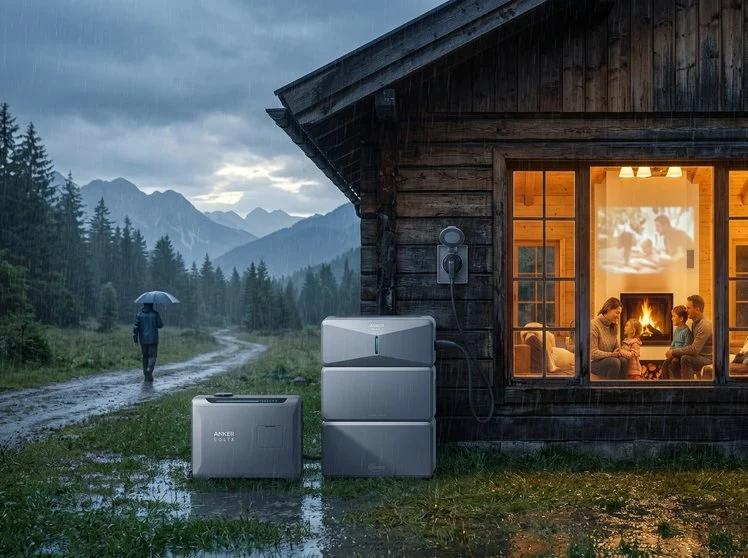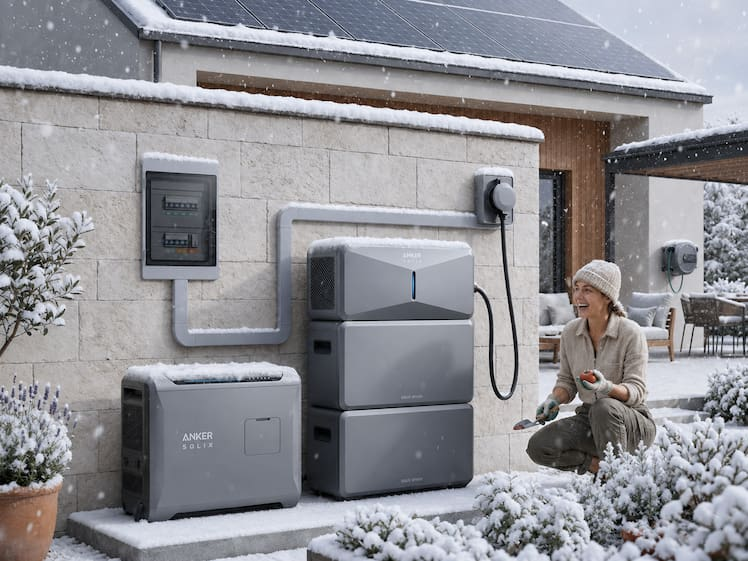
Can a Home Backup Battery Work in Heavy Snow?
A home backup battery can work in heavy snow, and in many winter outages it can provide dependable power when the grid fails. The key issue is not whether the battery works at all, but how snow, cold temperatures, and higher seasonal energy use affect performance and runtime. Heavy snow often arrives with freezing weather, blocked solar production, and longer outages, which place extra demands on stored power. Homeowners need to understand how battery capacity, output, installation location, and critical household loads interact during a storm. With the right system design and winter planning, backup battery power can remain practical and effective.
How Heavy Snow Changes Home Backup Conditions
Low Temperatures Put More Stress on Battery Performance
Cold weather can reduce how efficiently a battery delivers stored energy, especially when temperatures remain below freezing for long periods. Chemical reactions inside the battery slow down, which can limit available capacity and affect charging speed. Heavy snow often arrives with sustained low temperatures, so winter performance matters as much as outage duration. A battery system designed for harsh conditions is better suited to this environment. For example, Anker SOLIX E10 operates in temperatures as low as -4°F, giving homeowners a wider margin for winter reliability when snow and freezing weather hit at the same time.
Snowstorms Increase the Need for Reliable Stored Power
Snowstorms raise the value of backup power because they can knock out utility lines, block roads, and delay repair crews. Knowing how much will it snow in a specific area can help homeowners estimate how severe conditions may become and how much pressure a backup system may face during an outage. At the same time, households depend more heavily on electricity for heat circulation, refrigeration, lighting, internet access, medical devices, and phone charging. Heavy snow may cover solar panels and reduce generation, so the battery may need to shoulder more of the load on its own. That makes reliable stored power especially important during severe winter weather and grid instability.
What Determines Battery Performance During a Snowstorm?
Available Capacity and Power Output
Battery performance during a snowstorm depends first on how much energy the system stores and how much power it can deliver at once. Capacity determines runtime, while power output determines whether essential equipment can start and run properly. If several appliances draw power together, the system must handle those peak demands without overloading. Anker SOLIX E10 is built as a whole-home backup system with 10-30 kW turbo output and 6-90 kWh battery expandability. That range gives homeowners flexibility to cover basic essentials or support broader home backup needs during winter outages.
Heating and Other Essential Home Loads
Winter outages usually involve heavier household loads than mild-weather outages. Even if a home does not run full electric heating from the battery, it may still need to power a furnace blower, boiler controls, circulation pumps, space heaters, or heat-tracing equipment. Refrigerators, freezers, lights, routers, sump pumps, and medical devices also compete for limited stored energy. The more essential loads you keep running, the faster the battery drains. Homeowners should know the wattage and startup requirements of critical devices before a storm arrives. A realistic load plan is central to dependable backup performance in heavy snow.
Battery Location and Exposure to Winter Weather
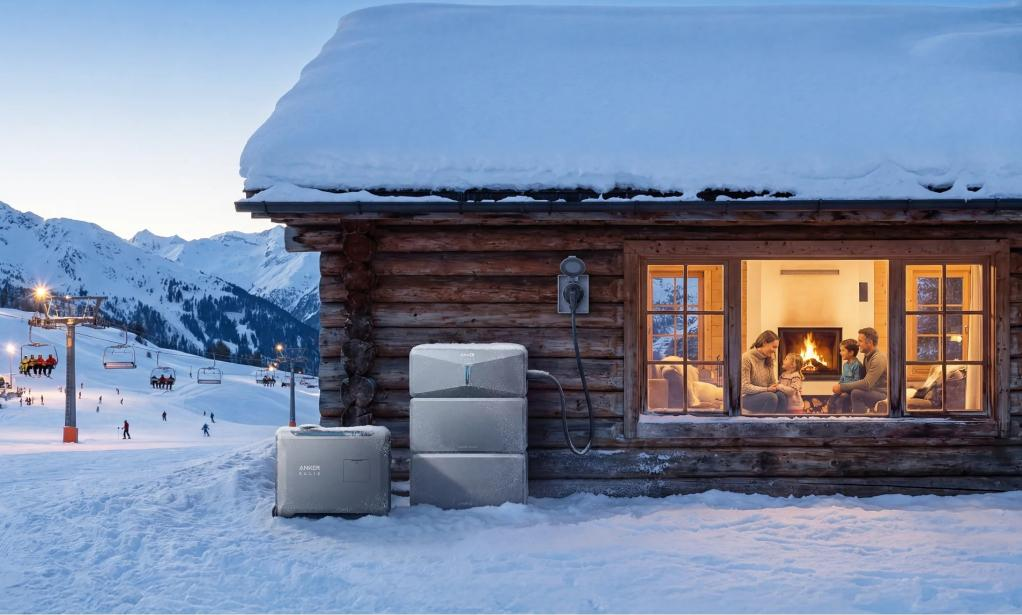
Where the battery is installed has a direct effect on winter reliability. A protected location such as a garage, utility room, or properly rated enclosure can help shield equipment from snow buildup, wind exposure, and extreme cold. Outdoor installations need clear access, adequate ventilation, and site preparation that prevents drifting snow, standing water, and blocked service areas. Heavy snow can also affect connected equipment, including solar panels and external components. A system with integrated backup planning helps reduce weather-related interruptions. Good installation practice supports safer operation, steadier performance, and easier maintenance throughout the winter season.
Make Battery Power Last Until the Grid Returns
Prioritize Heat, Refrigeration, and Critical Loads
To stretch battery runtime during a snowstorm, focus first on the loads that protect safety, health, and food storage. Keep heating support equipment, refrigerators, freezers, essential lighting, communications, and medical devices at the top of the list. Delay or shut off high-consumption appliances such as dryers, ovens, and unnecessary space heaters unless your system is sized for them. Smart load management matters as much as battery size in a prolonged outage. Reducing demand early helps avoid sudden depletion later. A disciplined priority plan allows stored power to support the most important household functions until utility service is restored.
Plan Extra Capacity for Extended Winter Outages
Heavy snow can create outages that last beyond a few hours, so winter backup planning should account for extra runtime instead of minimum survival needs. Homes with electric heating support, well pumps, or multiple refrigeration loads may need substantially more stored energy than expected. Layered backup can also improve resilience. Anker SOLIX E10 combines battery storage, solar, and a smart generator in one whole-home backup system, with 9-27 kW solar input and proactive severe-weather monitoring that charges to full capacity using solar and grid power. That added preparation helps households face longer winter disruptions with more confidence.
Conclusion
A home backup battery can work well in heavy snow when the system is designed for cold weather, sized for winter loads, and installed in a protected location. Snow does not automatically stop battery backup, but it can reduce solar production, increase household demand, and make outages last longer. That is why capacity, power output, temperature tolerance, and load planning all matter. Homeowners who prioritize critical circuits and prepare for extended interruptions will get better results. In snowy climates, a well-planned whole-home backup system can provide practical, dependable support when the grid goes down.