Can a Home Battery Backup System Run HVAC?
A home battery backup system can run HVAC, including central air conditioning and heat pumps, when the battery system is sized for the unit’s power draw and startup surge. The key question is not whether a battery can power HVAC, but whether the inverter can handle compressor startup and whether the battery has enough stored energy for meaningful runtime. Homeowners planning backup power should look at HVAC tonnage, locked-rotor amps, continuous watt demand, and total household loads. With the right setup, battery backup can keep critical cooling or heating operating during outages.
What Does It Take to Power HVAC With a Battery?
Running Power vs Startup Surge
HVAC systems place two very different demands on a backup battery: running power and startup surge. Running power is the electricity needed once the system is operating normally. Startup surge is the brief but much higher burst required to start the compressor and blower motor. Many battery systems can handle the running load but fail at startup if surge capacity is too low. That is why locked-rotor amps matter. For example, Anker SOLIX E10 whole-home backup offers up to 37.2kW surge power per unit, rated at 155 LRA, which is designed to start a 5-ton central AC. Dual E10 units reach 66kW, or 275 LRA, for larger combined HVAC loads.
HVAC Size and Type Matter
HVAC size and equipment type strongly affect whether a battery backup system can support it. A smaller ductless mini-split or efficient heat pump usually needs less running power and lower startup current than a large central air conditioner. By contrast, a 4-ton or 5-ton central AC often requires a more capable inverter and battery setup, especially in hot weather when compressor demand rises. Furnace blowers also draw less than full air-conditioning systems, so some homes can back up heating airflow more easily than cooling. Checking the nameplate data for tonnage, voltage, minimum circuit ampacity, and locked-rotor amps gives a much clearer answer than guessing based on square footage alone.
How Long Can a Home Battery Run HVAC?
Battery Capacity and HVAC Energy Demand
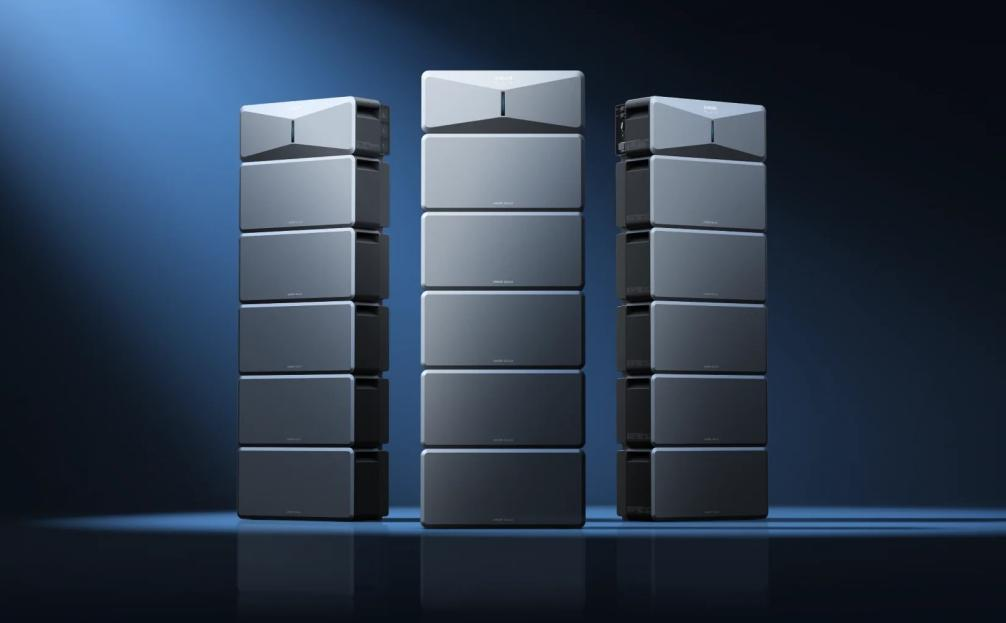
Runtime depends on stored battery energy compared with how much electricity the HVAC system uses over time. If an air conditioner draws several kilowatts while running, battery capacity can be used quickly, especially during long outages or extreme temperatures. Cycling also matters. HVAC does not always run continuously, so moderate weather can stretch runtime far beyond peak-demand conditions. A larger battery bank gives more practical backup for overnight cooling or heating. Systems designed for whole-home backup can scale significantly. Anker SOLIX E10 supports 6-90kWh of battery capacity, which gives homeowners room to size storage for short emergency coverage or for much longer HVAC support during outages.
Other Household Loads Reduce Runtime
HVAC is rarely the only load on during an outage, and every additional appliance cuts into battery runtime. Refrigerators, lighting, internet equipment, medical devices, well pumps, and cooking appliances all draw power from the same stored energy. Even small continuous loads add up over several hours. If a central AC is already one of the greatest electrical demands in the house, running other nonessential circuits at the same time can shorten backup duration much faster than expected. Load management makes a major difference. Prioritizing cooling or heating while limiting electric dryers, ovens, or pool equipment helps the battery reserve more energy for comfort and safety when grid power stays down.
Plan a Home Battery System for HVAC Backup
Match Output and Surge Capacity to Your HVAC
The best way to plan HVAC backup is to match the battery system’s continuous output and surge rating to the actual requirements of the equipment. Start with the HVAC nameplate and installation documents, then confirm compressor startup demand, blower load, and whether other major loads may start at the same time. A home battery backup system sized only for average usage can still fail if surge demand exceeds inverter limits. That is why output specifications matter as much as battery capacity. For larger homes, this planning becomes even more important when multiple systems are installed. If the house has separate upstairs and downstairs units, backup design should account for both startup and concurrent operation.
Add Storage and Solar for Longer Runtime
Once the battery system can start and run the HVAC, the next step is extending runtime. Adding more battery storage increases the number of hours the system can support cooling or heating, especially overnight or during multi-hour outages. Solar charging improves resilience further by replenishing the battery during daylight instead of only draining stored energy. This is especially useful in summer outages when air conditioning demand is high but solar production is also strong. A scalable design gives homeowners more flexibility as needs change. For instance, systems that support 9-27kW solar input can pair strong daytime generation with larger storage to maintain HVAC backup longer and reduce recovery time.
Conclusion
A home battery backup system can run HVAC when it is properly matched to the equipment’s running load, startup surge, and expected runtime needs. For most homeowners, the deciding factors are not just battery size, but inverter output, compressor starting requirements, and the impact of other household loads. A well-planned system can keep cooling or heating available during outages and make backup power far more useful. Before choosing a setup, review your HVAC specifications carefully and size the battery, surge capacity, and optional solar input around real operating conditions.