How Architectural BIM Services Improve Design Coordination and Documentation Accuracy
Design coordination has usually been the quiet battleground in which tasks either come together smoothly or begin unraveling before construction even starts. Small inconsistencies between architectural intent and structural reality tend to snowball into high-priced clashes if nobody catches them early. Documentation accuracy plays an equally critical role, on the grounds that every drawing set, agenda, and element ultimately becomes a reference factor someone is based directly on to make selections. This article looks at how current BIM workflows tighten that coordination and sharpen documentation, and why the difference matters much more than most teams assume. We’ll walk through the sensible mechanics of coordination, the documentation side of the equation, and which tasks typically lose focus.
Why Coordination Breaks Down Without the Right Framework
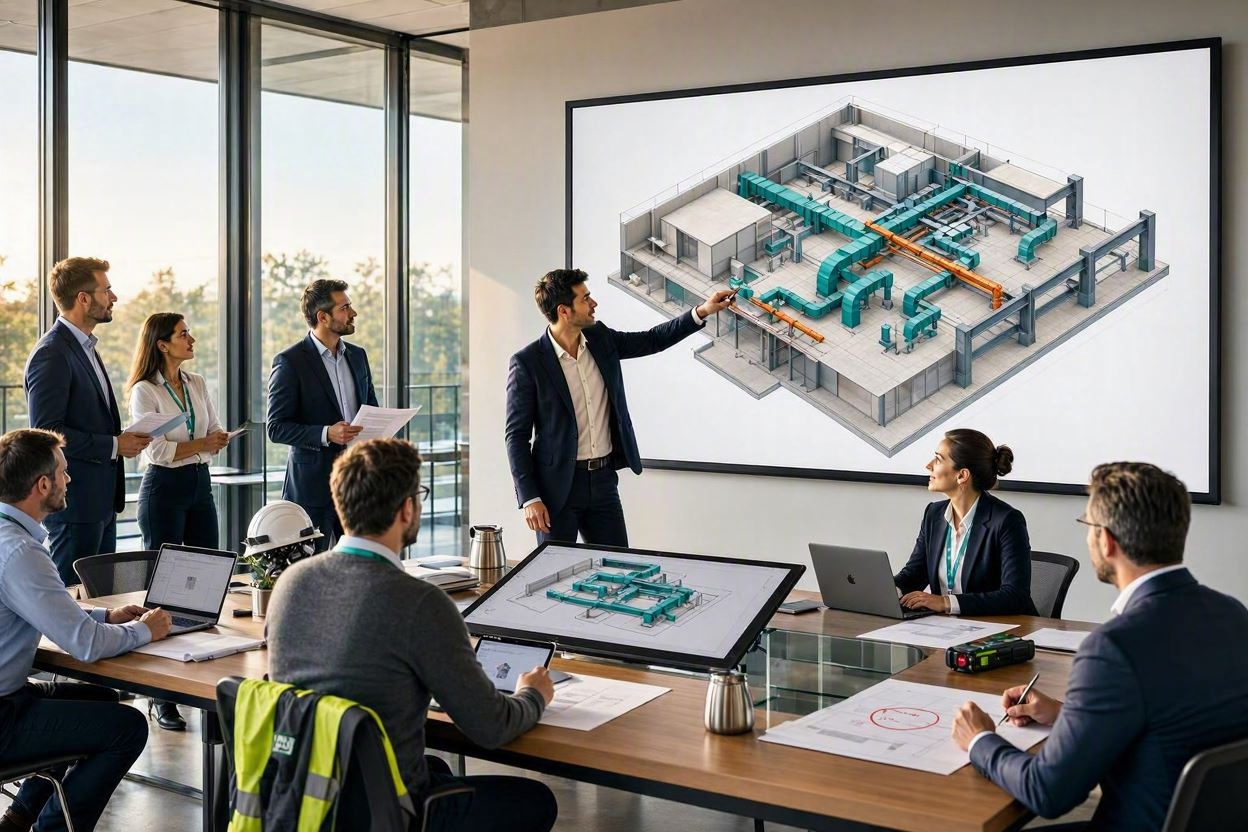
Good Architectural BIM Services exist exactly due to the fact coordination hardly ever happens by way of accident; someone has to construct the framework that maintains disciplines aligned from the earliest layout segment onward. Without that structure, architects, engineers, and specialists often work from barely unique variations of the same building, and small differences compound rapidly.
The result, more frequently than not, is a layout that looks resolved on a display screen but reveals conflicts the moment another exchange’s model is layered on top of it. Catching that early is far less expensive than catching it all through creation.
Establishing a Shared Model Environment
When every area works in one linked environment instead of remote documents, discrepancies surface without delay instead of hiding till the subsequent coordination meeting. That visibility alone gets rid of a huge share of avoidable rework.
Setting Coordination Checkpoints
Regular, established check-ins- not simply casual updates give supply teams a rhythm for catching drift between disciplines earlier than it hardens right into an actual layout war.
Assigning Clear Model Ownership
Coordination falls aside speedy when no one’s sure who owns which part of the model. Clear ownership boundaries keep updates traceable and prevent duplicated or conflicting edits.
Turning Coordinated Models Into Reliable Documentation
Accurate documentation would not occur when an assignment is given up; it is built continuously, and it depends heavily on how nicely the model is maintained alongside the manner, which is exactly where reliable Estimating Services benefit from having easy, coordinated statistics to pull from rather than chasing down inconsistencies after the fact.
When drawings, schedules, and portions are extracted at once from a well-maintained version, the chance of mismatched facts drops sharply, and downstream teams avoid guessing whether what they may be looking at reflects the current design.
Keeping Drawing Sets Synchronized
Drawings that replace robotically along version adjustments do away with one of the most common sources of documentation mistakes: sheets that quietly fall out of sync with the design.
Schedules That Reflect Real Quantities
Door, window, and end schedules pulled immediately from the version carry a long way more accuracy than manually compiled lists, mainly as soon as a design has gone through several revision rounds.
Managing Revisions Without Losing Traceability
Every revision requires a clean path back to what was modified and why. Without that traceability, groups grow to be debugging documentation errors instead of focusing on design.
Where Design Intent Meets Real-World Constraints
There’s a factor in each venture in which design ambition has to reconcile with sensible, buildable truth, and that reconciliation is where the accuracy of underlying data genuinely starts to count in the same manner a professional Xactimate Estimator relies upon specific measurements to supply more than a few that genuinely hold up once work starts. If you were looking forward to a title correction right here: your title, “How Architectural BIM Services Improve Design Coordination and Documentation Accuracy,” is already grammatically accurate and needs no modifications.
That reliance on precision is the thread connecting layout coordination, documentation, and the whole lot downstream that depends on each being right the first time.
Validating Design Against Code and Constructability
Design reasoning that ignores code constraints or constructability limits creates problems that surface far too late. Validating towards both early keeps the undertaking sincere.
Coordinating MEP and Structural Overlays
Architectural selections ripple into structural and MEP systems continuously. Overlaying those disciplines early prevents the form of late-stage surprises that derail schedules.
Preparing Documentation for Permitting and Bidding
Permitting reviewers and bidding contractors both rely upon documentation being complete and internally consistent; anything less invites delays and explanation requests that slow the whole process down.
Benefits That Compound Across a Project
Once coordination and documentation are dealt with in the real world, the advantages do not stay limited to at least one segment; they carry forward through design, planning, and construction alike. Teams that spend money on this upfront rigor tend to observe fewer fire drills later, clearly because the facts anybody’s working from remain honest.
That reliability changes how people work day after day. Fewer meetings get eaten up by way of resolving contradictions between drawings, fewer RFIs get generated over facts that should have been clean from the beginning, and fewer closing-minute scrambles show up proper before a submission deadline. It’s much less about one dramatic development and more about a constant discount within the friction that typically eats right into an agenda.
| Project Metric | Uncoordinated Baseline Project | Coordinated BIM Project | Net Metric Change | Avg. Cost Impact per Event ($) | Total Cost Savings ($) |
| Design-Related RFIs Submitted | 180 RFIs | 32 RFIs | -148 RFIs | $1,500 / RFI Admin Cost | $222,000 |
| Field Change Orders Issued | 24 Change Orders | 4 Change Orders | -20 Change Orders | $28,000 / Change Order | $560,000 |
| Coordination Delay Schedule Days | 45 Days Delay | 6 Days Delay | -39 Days | $4,500 / Site Overhead Day | $175,500 |
| Total Combined Project Savings | — | — | — | — | $957,500 |
- Faster overview cycles, because consultants and reviewers aren’t chasing inconsistent records.
- Fewer RFIs at some point of creation, due to the fact that documentation appropriately reflects the coordinated layout
- Smoother handoffs between design and construction teams, with a way much less re-rationalization wanted
Common Pitfalls That Undermine the Process
Even properly-run initiatives hit friction factors, and it’s not often because the underlying generation fails; it’s usually because the procedure surrounding it wasn’t disciplined sufficiently to maintain pace with a quick-moving layout.
These pitfalls tend to appear minor in isolation; however, upload upquicklyk throughout a live mission. A version that falls slightly obsolete here, a drawing set that isn’t always reissued there, and shortly teams are making selections based totally on old data without figuring it out. The restoration is rarely more software; it is a tighter procedural field around who updates what and how regularly.
- Model updates that lag behind actual design decisions, creating a fake feel of accuracy.
- Fragmented communication between architectural, structural, and MEP teams
- Documentation reissued too infrequently, leaving downstream teams running from stale data
Final Thoughts
Design coordination and documentation accuracy are not separate worries; they’re aspects of the same discipline. Projects that treat each with real rigor have a tendency to move through layout, permitting, and construction with incredibly much less friction, largely because the data everybody is predicated on certainly displays fact. That consistency doesn’t manifest routinely; it is built deliberately, one coordinated update at a time.
FAQs
1. How does BIM improve layout coordination as compared to conventional 2D workflows?
BIM keeps all disciplines operating from a shared, connected model, so conflicts are caught right now rather than being located only whilst drawings are manually compared later.
2. What reasons does documentation fall out of sync with the layout?
Usually, it is a lag between version updates and drawing reissues when someone modifies the design; however, the corresponding sheets, schedules, or details aren’t refreshed at the same pace.
3. Why does model possession rely on coordination?
Without clean possession, a couple of human beings can edit overlapping parts of a model without understanding it, leading to conflicting versions and wasted time resolving avoidable clashes.
4. Can higher coordination certainly reduce RFIs during creation?
Yes. Most RFIs stem from uncertain or inconsistent documentation, so while drawings and fashions stay accurate and synchronized, contractors have far fewer reasons to be looking for explanation.
5. At what degree does documentation accuracy come to be a concern?
From the very beginning. Waiting until later design stages to enforce accuracy normally means untangling issues that would have been averted with constant assessments from day one.