Flat Pack Is Dead: 5 Reasons Shoulder Boxes Win Every Time
Flat pack had a good run. It was cheap. It was quick to produce. It stored flat before assembly and solved a real logistics problem for decades. Nobody’s denying that. But solving a logistics problem and making a customer feel something were never the same job. Packaging is finally getting judged on the second one now. Not just the first. Shoulder boxes are the reason why.
Look at why brands keep switching over and the pattern holds up. It’s rarely one big dramatic reason. It’s five smaller ones stacking up until flat pack stops making sense for anything beyond the cheapest most disposable products.
Reason One: The Reveal Actually Means Something
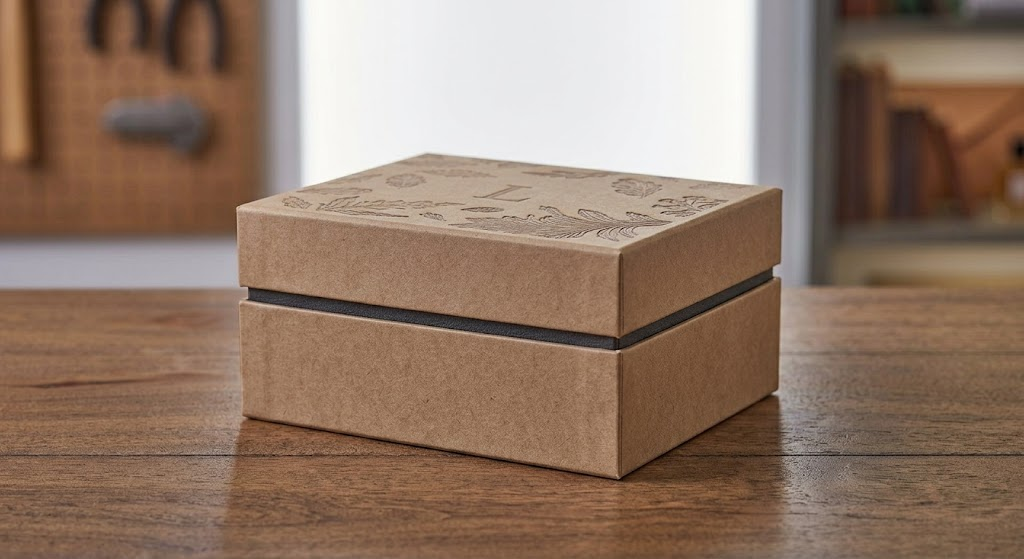
A flat pack box folds shut and folds back open. That’s basically it. No pause. No moment. Nothing that slows a customer down before they see what’s inside. Shoulder boxes work differently. The base and lid come as two separate pieces. The lid lifts off instead of flapping open.
That structural difference creates an actual moment. It’s small. Maybe two seconds longer than tearing into a flat box. But that pause does work a fast open never could. Customers register effort in that structure without even thinking about it. Effort reads as value almost instantly.
Custom shoulder boxes lean into this hard. Brands selling anything with a bit of occasion attached, think gifts, beauty products, specialty items, keep gravitating toward the shape. That reveal moment sells the product before it’s even been touched.
Reason Two: Rigid Construction Reads as Quality
Flat pack material tends to be thin and light. It’s built to be cheap and foldable above everything else. That works fine for bulk items nobody’s emotionally invested in. It works less well for anything trying to feel premium. Custom shoulder rigid boxes flip that completely. The board doesn’t bend or flex under pressure. Customers physically notice the weight the second they pick it up.
That solidity gets processed as quality almost automatically. Doesn’t matter if the connection makes logical sense or not. A shoulder neck rigid box feels expensive in someone’s hands no matter what’s inside. That feeling carries straight into how they judge the product before it’s even out of the box.
Shoulder neck rigid boxes show up constantly in beauty, fragrance and jewelry for exactly this reason. These are categories where the first tactile impression matters as much as anything printed on the label.
Reason Three: Structure Survives Shelf Time Better
Flat pack boxes sag. Corners soften and edges round off after weeks stacked in a stockroom or standing on a shelf under constant handling. Shoulder neck boxes hold their shape far longer. The reinforced base and separate lid share the pressure instead of dumping it all on one fold line like flat pack does.
That matters a lot for products with a slower sales cycle, ones that might sit on a shelf for months instead of shifting within days. A custom shoulder neck rigid box still looks sharp on day ninety. Corners stay crisp. The lid still sits flush. None of the tired crumpled look flat pack develops over time. Retailers notice this too. A product that still looks fresh months into a stocking cycle is simply easier to keep selling.
Reason Four: It Photographs and Films Better
Retail has shifted hard toward content. Unboxing videos, product photography and social posts happen constantly now whether a brand pushes for it or not. Flat pack boxes photograph flat. Literally. There’s minimal depth and minimal shadow play, nothing particularly interesting for a camera to catch.
Shoulder boxes give a lid something to lift. There’s a shadow line between base and lid, actual dimension for a camera or phone screen to work with. That difference shows up constantly across unboxing content now. Custom boxes built with a shoulder shape simply give creators and customers more to film. More reason to press record in the first place.
Reason Five: Mailer Options Keep Costs Reasonable
Cost used to be the thing holding brands back. Full rigid stock isn’t light and isn’t cheap, and shipping weight adds up fast across large order volumes. Custom shoulder mailer boxes solve that gap neatly. They keep the structured shoulder shape and the reveal moment while using lighter material built to survive courier handling without the weight penalty of full rigid board.
This matters especially for online brands. Shipping costs eat margins fast once packaging gets too heavy. A well built shoulder box in mailer form still beats flat pack by a wide margin on presentation. It just does it more efficiently. Smaller brands get that premium unboxing moment without the budget of a luxury label behind them.
Where This Leaves Flat Pack
Flat pack isn’t disappearing completely. Cheap bulk items and anything purely functional will keep using it just fine. But for products trying to build brand loyalty, trying to earn repeat customers instead of one time sales, flat pack is increasingly the weaker option sitting next to something structurally better in almost every way that counts.